
"reaction kinetics"
3810 article(s) found
Basic chemical reactions of coffee beans during coffee roasting
Many thermal and chemical reactions take place during baking: decarbonation, dehydration of quinic acid, subdivision, isomerization, polymerization, and complex sugar reactions (caramelization). The main components of the thermal reaction are monosaccharides and sucrose, chlorogenic acid, free amino acids, and fenugreek amide. Both aravinose and calactose in the polysaccharides are transferred, and the basic vulcanization process includes hydroxylamine.
The basic chemical reactions that take place during coffee roasting
Many thermal and chemical reactions take place during baking: decarbonation, dehydration of quinic acid, subdivision, isomerization, polymerization, and complex sugar reactions (caramelization). The main components of the thermal reaction are monosaccharides and sucrose, chlorogenic acid, free amino acids, and fenugreek amide. Both aravinose and calactose in the polysaccharides are transferred, and the basic vulcanization process includes hydroxylamine.

The origin of caramelization of the attractive aroma of coffee
Why do you love coffee so much? apart from the refreshing effects of caffeine, I think the reason why people and thousands of coffee fans often miss coffee is its charming aroma, so where does it come from? The important thing is that coffee beans are rich in a variety of raw materials, which produce a variety of reactions after baking, resulting in an attractive aroma. The two most important responses are
The basic chemical reactions that take place during coffee roasting.
Many thermal and chemical reactions take place during baking: decarbonation, dehydration of quinic acid, subdivision, isomerization, polymerization, and complex sugar reactions (caramelization). The main components of the thermal reaction are monosaccharides and sucrose, chlorogenic acid, free amino acids, and fenugreek amide. Both aravinose and calactose in the polysaccharides are transferred, and the basic vulcanization process includes hydroxylamine.
The basic chemical reaction that takes place during coffee roasting.
Basic chemical reactions that occur during coffee roasting author: Carl Staub originates from the SCAA baking color classification system, developed by Agtron SCAA 1995 original text from: http://www.sweetmarias.com/roast.carlstaub.html translation: Grant, http://www.baristacn.com/forum/thread-1583-1-1.html in the roasting process

The basic chemical reaction of coffee technology in the process of coffee roasting
Many thermal and chemical reactions take place during baking: decarbonation, dehydration of quinic acid, subdivision, isomerization, polymerization, and complex sugar reactions (caramelization). The main components of the thermal reaction are monosaccharides and sucrose, chlorogenic acid, free amino acids, and fenugreek amide. Both aravinose and calactose in the polysaccharides are transferred, and the basic vulcanization process includes hydroxylamine.
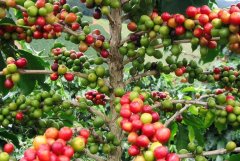
Caramelization of coffee during roasting and Mena reaction roasting coffee bean roaster
A few days before Napoleon died on St. Helena Island in 1821, his attendant Marshal Bertrand wrote about Napoleon begging: "he asked for twenty times in the morning and asked me if I could give him some more coffee." "No, my lord, the doctor ordered you to drink only one spoonful of coffee. It's not time yet. You have a bad stomach. Drinking early will only make you vomit early. "he threw up nine times this morning.

Coffee roasting-caramelization and Mena reaction
Professional Coffee knowledge Exchange more information on coffee beans Please follow the Coffee Workshop (Wechat official account cafe_style) A few days before Napoleon died on St. Helena Island in 1821, his attendant Marshal Bertrand wrote about Napoleon begging: "he has asked for twenty times in the morning and asked me if I could give him some more coffee. "No, master, the doctor ordered only one drink.
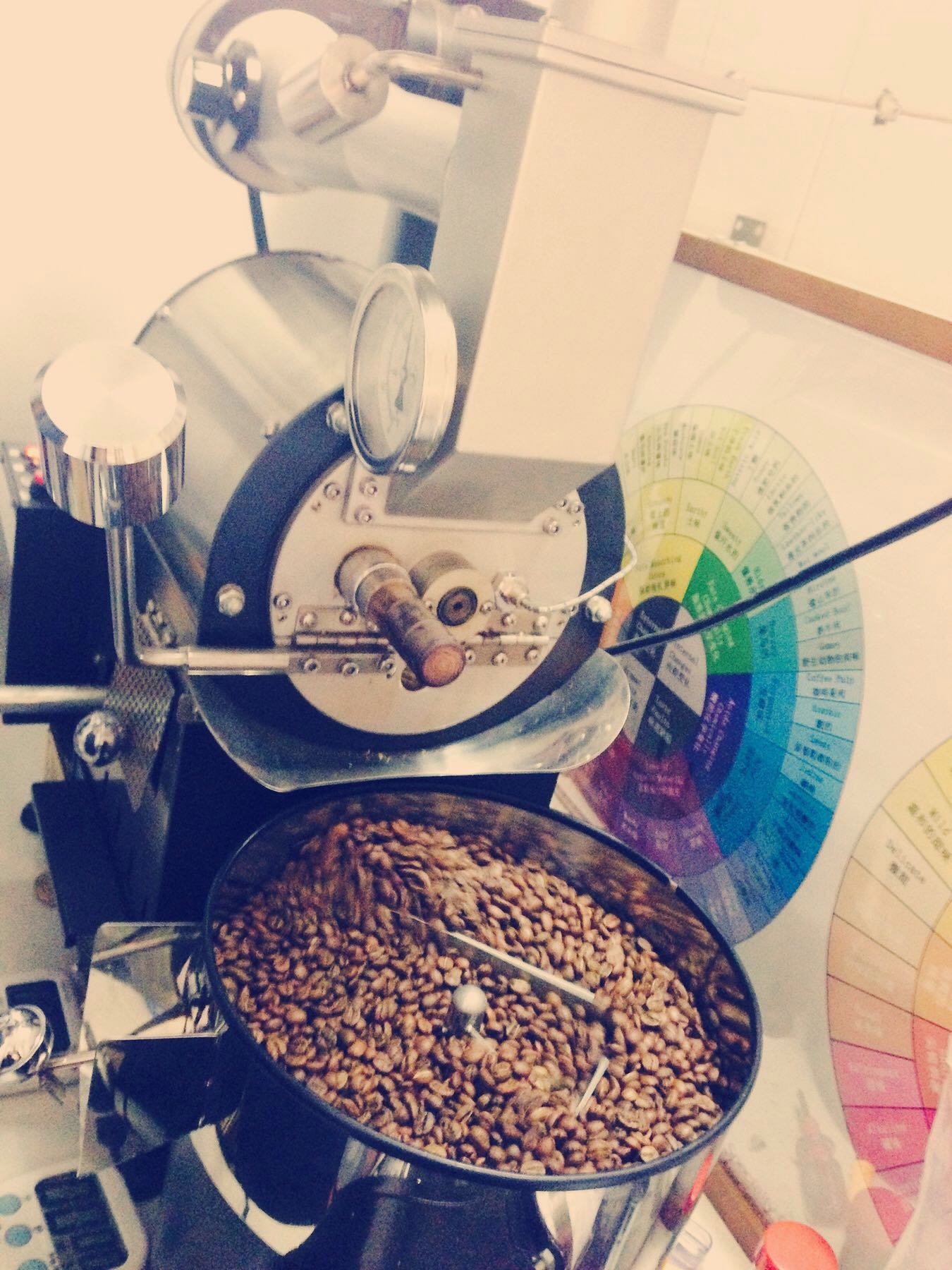
Key points of coffee roasting techniques: basic chemical reactions that take place during coffee roasting
Basic chemical reactions that occur during coffee roasting author: Carl Staub originates from the SCAA baking color classification system, developed by Agtron SCAA 1995 original text from: http://www.sweetmarias.com/roast.carlstaub.html translation: Grant, http://www.baristacn.com/forum/thread-1583-1-1.html in the roasting process

The process of coffee extraction what is the Mena reaction?
A few days before his death on St. Helena Island in 1821, his attendant, Marshal Bertrand, wrote about begging for it: "he asked for twenty times in the morning and asked me if I could give him some more coffee." "No, my lord, the doctor ordered you to drink only one spoonful of coffee. It's not time yet. You have a bad stomach. Drinking early will only make you vomit early. "he threw up nine times this morning.

What is the plum sodium reaction? Roasted coffee beans
Mena responded that recently more and more coffee shops have set up a roaster in front of the store to bake by themselves, so that they can not only save costs but also control their own quality. So walking on the street, you can often smell the unique aroma of roasted coffee beans, including the burning blue smoke smell of plant fibers, the sweet smell of cream, the brown smell of toast, and so on.
The basic chemical reaction that occurs during coffee roasting. The ingredients produced by the degree of coffee roasting.
Basic chemical reactions that occur during coffee roasting author: Carl Staub originates from the SCAA baking color classification system, developed by Agtron SCAA 1995 original text from: http://www.sweetmarias.com/roast.carlstaub.html translation: Grant, http://www.baristacn.com/forum/thread-1583-1-1.html in the roasting process
What is the "plum reaction" in baking?
Baking can win raw beans to release their fragrance in the painting. In the process of training. The physical and chemical reactions produced by the ripening of raw beans, especially the plum reaction and caramelization reaction in the browning process have a great impact on the flavor. During the baking process, when the hardness of raw beans exceeds I20C, the carbohydrates and acids in them will react and crack to produce Melanoidine, which makes the color of raw beans.
Basic chemical reactions that occur during coffee roasting
Many thermal and chemical reactions take place during baking: decarbonation, dehydration of quinic acid, fragmentation, isomerization, polymerization, and complex sugar reactions (caramelization). The main thermally reactive components are monosaccharides and sucrose, chlorogenic acid, displaced amino acids, and trigonelline amide. Both aravinone and calactose in polysaccharides are transferred, and basic sulfurization contains hydroxyamino acids.
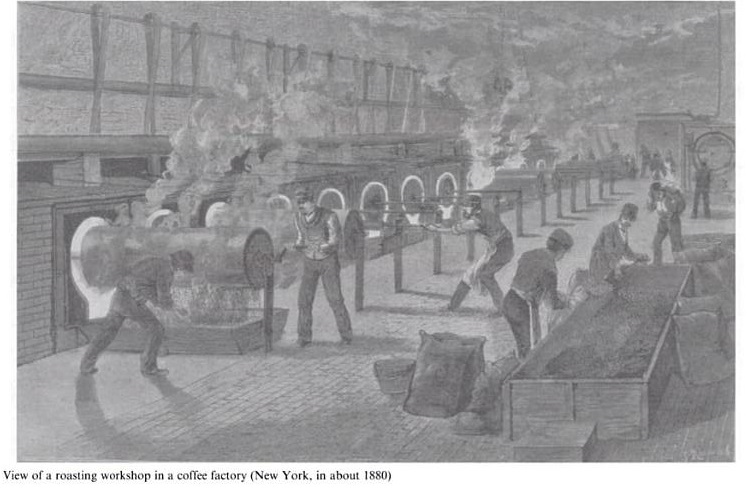
Why does coffee smell so good? Caramelization and Mena reaction during coffee roasting
A few days before Napoleon died on St. Helena Island in 1821, his attendant Marshal Bertrand wrote about Napoleon begging: "he asked for twenty times in the morning and asked me if I could give him some more coffee." "No, my lord, the doctor ordered you to drink only one spoonful of coffee. It's not time yet. You have a bad stomach. Drinking early will only make you vomit early. "he threw up nine times this morning.
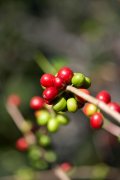
What's the aroma of coffee? Caramelization and Mena reaction during coffee roasting
Boutique coffee beans must be excellent varieties, such as the original bourbon species, mocha species and Tippica species. The coffee beans produced by these trees have unique aroma and flavor, which is far from that of other tree species, but the relative yield is low. in recent years, in order to pursue the ability of disease and insect resistance and increase the yield, there have been many improved tree species, such as the massive promotion of high-yield rurial11 species in Kenya.

What chemical reaction does the aroma of coffee beans come from during roasting? Coffee beans at different roasting stages
Professional coffee knowledge exchange more coffee bean information Please follow the coffee workshop (Wechat official account cafe_style) what chemical reaction does the aroma of coffee beans come from during roasting? What is the taste of coffee beans at different roasting stages? The charming aroma of coffee is also the main reason why Napoleon, me and many coffee fans miss coffee all the time. But why on earth is coffee so bad?
The basic chemical reaction of coffee knowledge during coffee roasting.
Many thermal and chemical reactions take place during baking: decarbonation, dehydration of quinic acid, subdivision, isomerization, polymerization, and complex sugar reactions (caramelization). The main components of the thermal reaction are monosaccharides and sucrose, chlorogenic acid, free amino acids, and fenugreek amide. Both aravinose and calactose in the polysaccharides are transferred, and the basic vulcanization process includes hydroxylamine.
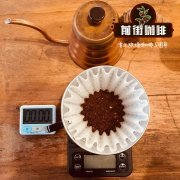
How does the bitterness of coffee beans come from? what are the characteristics of the nutty flavor of coffee beans?
Professional coffee knowledge exchange more coffee bean information please follow the coffee workshop (Wechat official account cafe_style) Africa's boutique curry non-producing areas are divided into Ethiopia, Kenya, Yemen. Today I happen to be able to drink coffee from African countries and share my feelings about the taste. 1 Sun Jega (shallow baking): dry incense has a strong and distinct blueberry aroma. It tastes mixed and light.
Coffee extraction principle = chemical reaction + physical reaction?!
UESTION Hi! Emma! I've been hearing about hydrolysis in coffee brewing. What is it? Can you explain the scientific basis for hydrolysis? How is it different from extraction? Thank you! ANSWER Dear Coffee Drunk in Baltimore: I feel your pain! Coffee brewing is now the most popular